








Most contractors get the best value by owning enough splicers for their regular team and hiring for the peaks. Buying pays off for machines that work most weeks of the year. Fusion splicer hire makes sense for short contracts, extra crews, new starters and cover while your own splicer is being serviced.
This guide shows how to work out the split, and what to check before you sign a hire agreement.
When buying makes sense
If a splicer will be in use most weeks of the year, owning it is usually cheaper over its working life. You also get a machine your team knows, set up with the splice modes and settings you’ve approved, and a record of every splice it has made. That record matters more and more as clients ask for evidence of splice quality at handover.
When fusion splicer hire makes sense
- Short contracts. A six-week job rarely justifies buying an extra splicer for every additional technician.
- Peaks in work. Hire for the busy weeks and return the kits when the work drops.
- New starters. Kit someone out while you see how the role develops.
- Cover during service or repair. Keep a crew working while its own splicer is in the workshop.
- Trying a different splicer type. If your team usually uses cladding alignment, hiring a core alignment splicer lets you try it on real work before you buy.
How many splicers does a contract need?
Start from the design, not from the number of people.
Take the total number of splices from the design, then divide it by the number your crews can realistically complete per day and by the working days available. That gives you the number of crews, and so the number of splicers, you need at the same time.
As a simple illustration, 6,000 splices over 40 working days at 50 splices per crew per day needs three crews. Your own output will depend on the fibre count, the type of closure, travel and access, so use figures from your recent jobs where you can.
Then allow for the things that don’t appear in the design:
- Overlaps. Phases often run together, so the peak can be higher than the average.
- Servicing. INNO recommends a service every 12 months, and a machine in the workshop can’t be on site.
- Breakdowns and damage. On a contract with tight deadlines, one spare kit can protect a whole crew’s output.
Working out the split
Once you know the peak, look at how many of those splicers you’d use all year.
- Find your baseline. Count the splicers working most weeks of the year. These are the ones to own.
- Mark the peaks. Anything above the baseline for a few weeks or months is a good candidate for fusion splicer hire.
- Compare the real cost. Divide the purchase price by the weekly hire rate to see how many weeks of hire would pay for a machine. Include servicing, electrodes, consumables and insurance on the buying side.
- Review it after each contract. If you keep hiring the same extra kit, it may be time to buy another.
| Situation | Usually best |
|---|---|
| Used most weeks of the year | Buy |
| Short contract or a few busy weeks | Hire |
| New starter, role not yet settled | Hire, then decide |
| Your splicer is being serviced | Hire for cover |
| Considering a different splicer type | Hire first, then buy |
What to check before you sign a hire agreement
- What’s in the kit. Check for a splicer, a matching cleaver, strippers, splice protectors and cleaning wipes, so the crew can start on day one.
- Condition. Ask whether the kit is inspected and tested before it’s sent out.
- Hire period. Confirm the minimum period, when the hire starts and how to extend it.
- Insurance. Agreements usually require cover for the full replacement value, so arrange this before delivery.
- Delivery and collection. Check the dates and who arranges the return.
- Buying options. Find out whether any rental can be put towards a purchase if you decide to keep the kit.
Hiring from Uptero
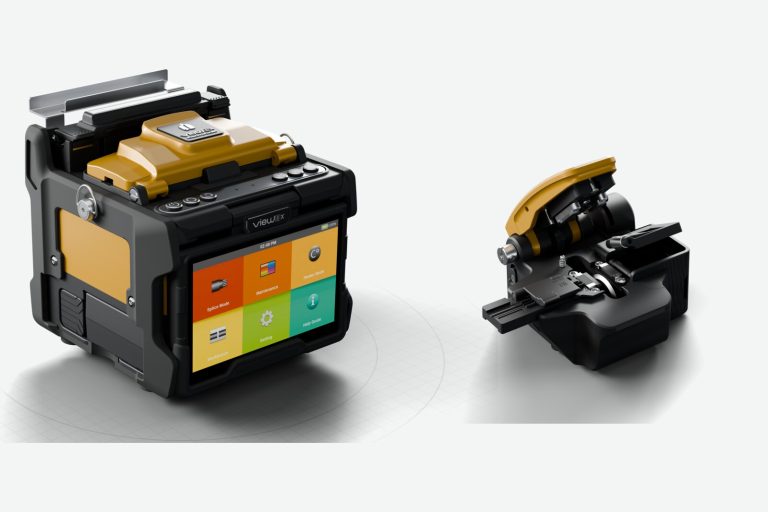
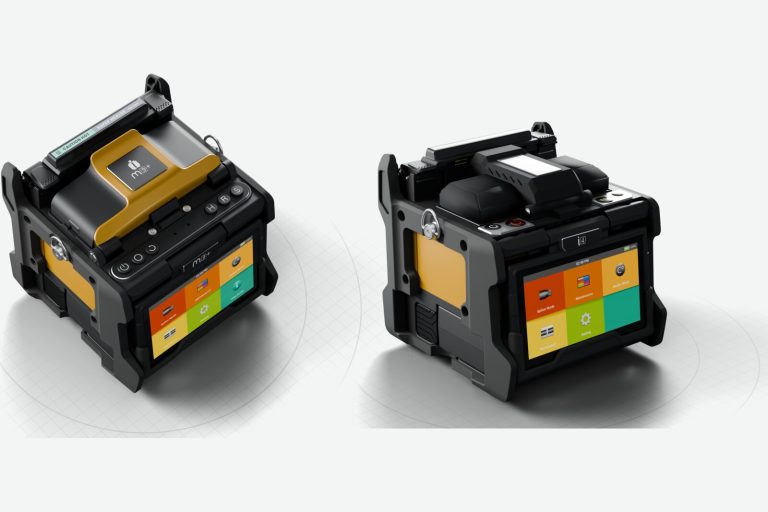
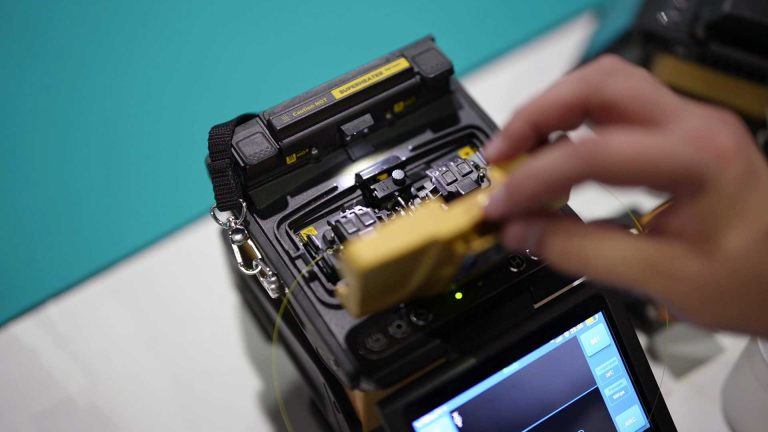
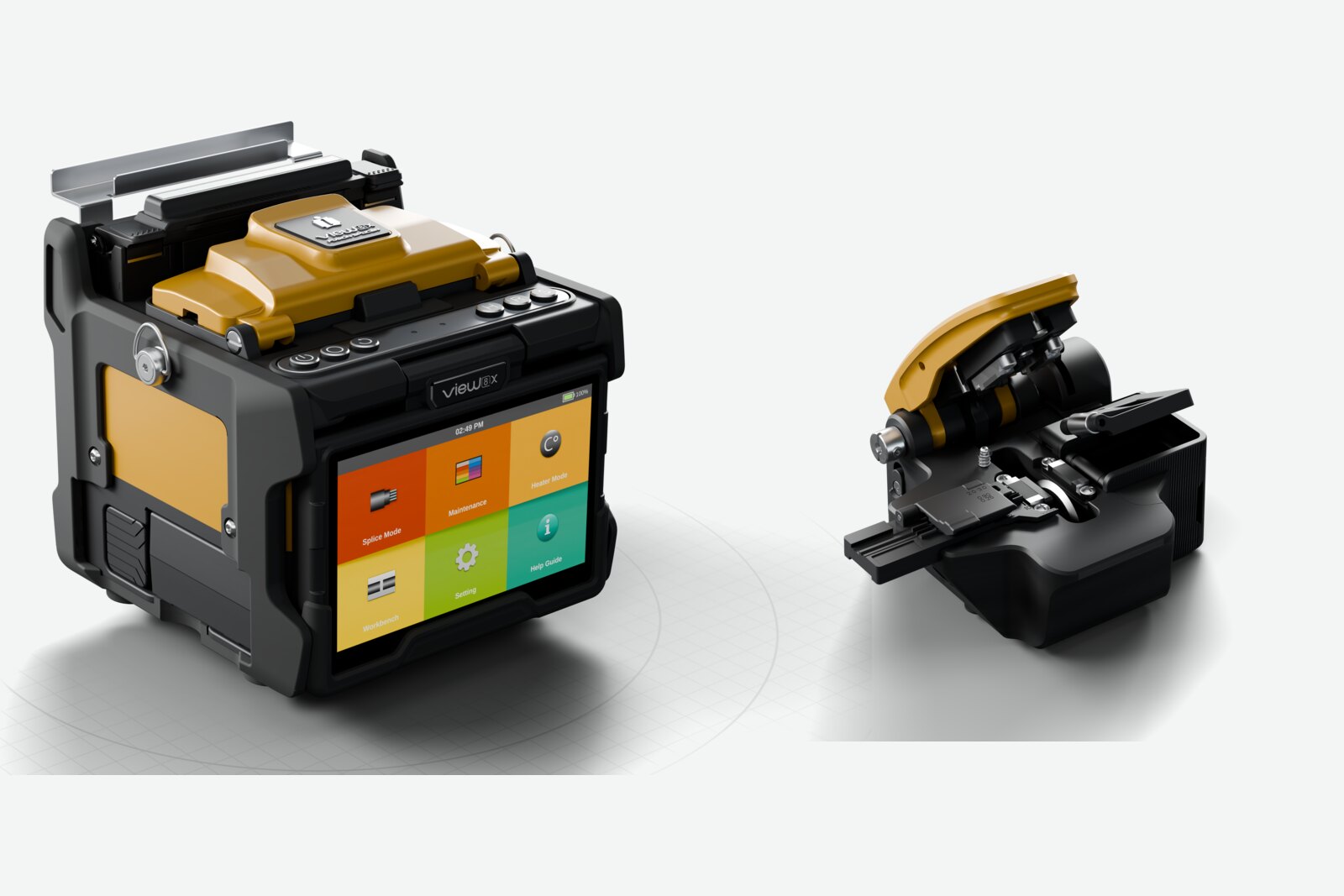
Our fusion splicer hire kits pair a core alignment splicer with a precision cleaver and a fibre preparation kit, all in one case. Every kit is inspected and tested by our service team before delivery. The minimum hire is one week, with better rates for monthly and longer periods, and if you decide to keep the kit, unused rental comes off the purchase price. Other splicers and test equipment are also available. Tell us your dates and what you need, and we’ll send a quotation as soon as possible.
Buy the splicers your team uses most weeks of the year. Hire for short contracts, peaks, new starters and cover during servicing.
A splicer, a matching cleaver and a fibre preparation kit with strippers, splice protectors and cleaning wipes.
Usually yes. Most hire agreements require cover for the full replacement value of the kit while you have it.
Related products
-

Core Alignment Splicing Kit (Rental)
From £210 / week +VAT -
INNO i4 Active V-Groove Fusion Splicer
£1,100.00 +VAT -
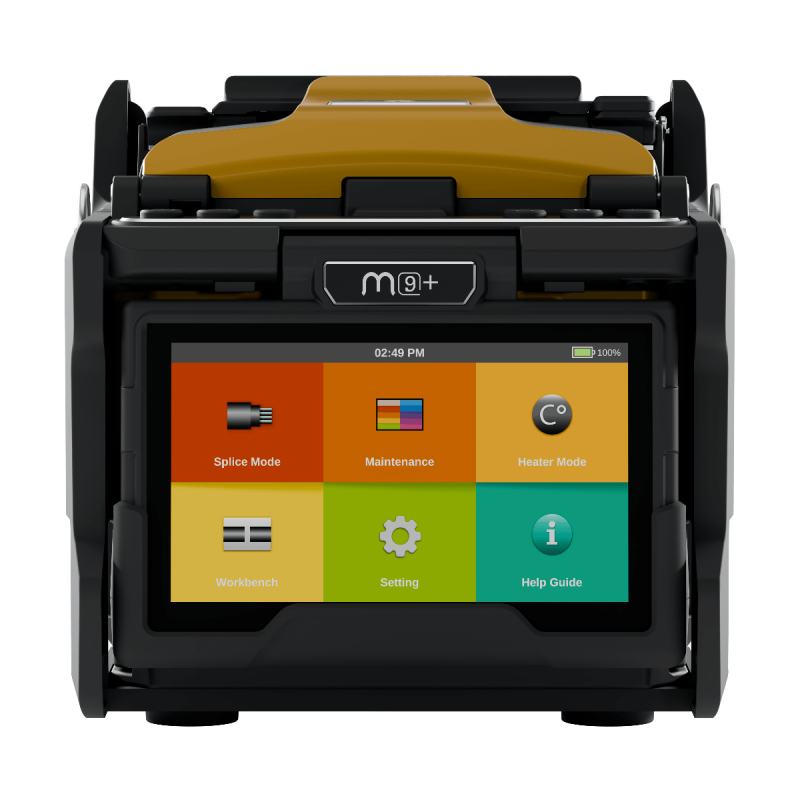
INNO M9+ Core Alignment Fusion Splicer
Original price was: £2,350.00.£1,850.00Current price is: £1,850.00. +VAT -
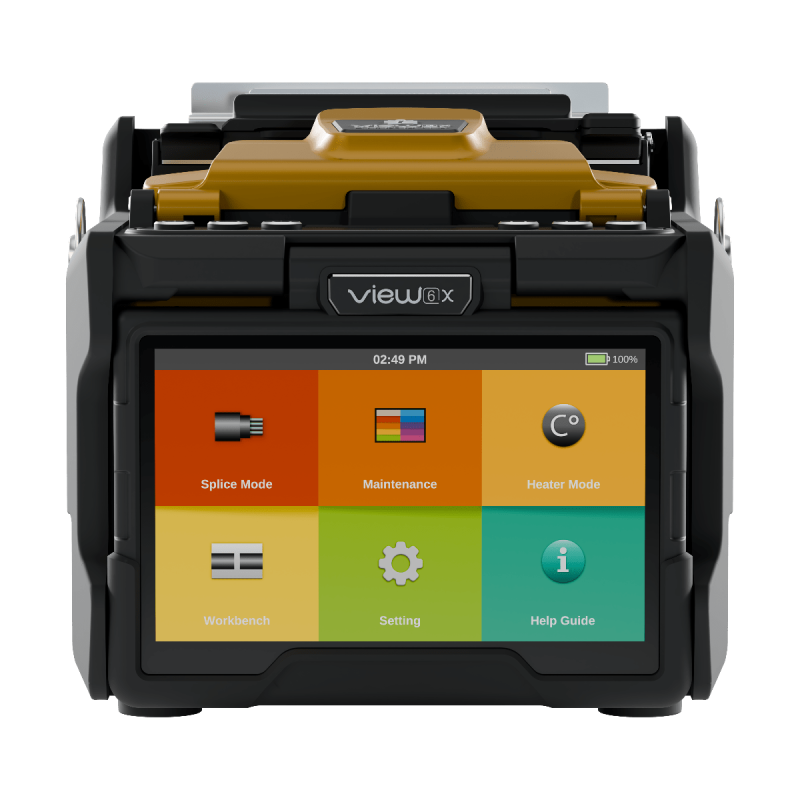
INNO View 6X Core Alignment Fusion Splicer
£1,995.00 +VAT