






Fibre Cleaver Guide: Cleave Quality, Blade Care and Common Faults
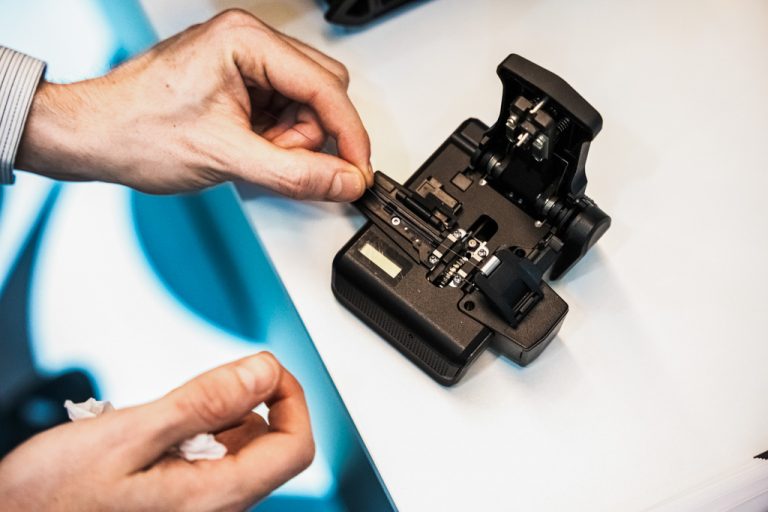
A fusion splice can only be as good as the fibre ends going into it. The fibre cleaver decides the shape and angle of...

Fusion Splicer Battery Life: How Long It Lasts and How to Extend It
In the field, your fusion splicer battery decides how much work gets done before you need a charger. Running out halfway through a closure...
Splice-On Connectors Explained: A Practical Guide for FTTP Installers
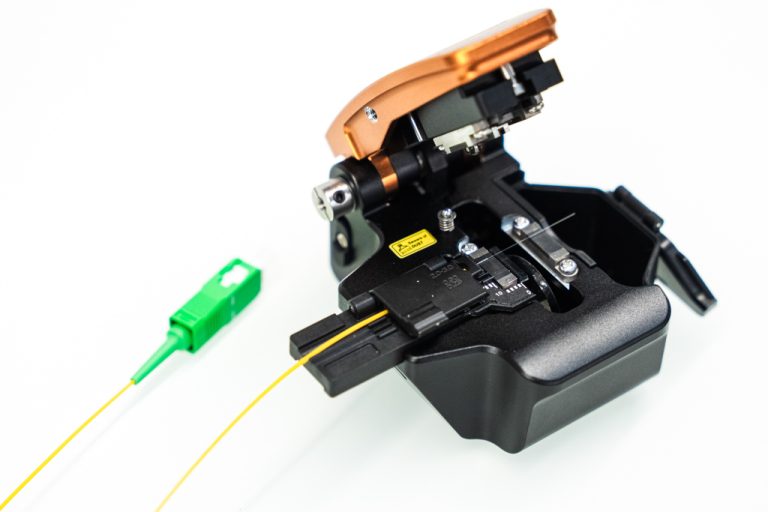
Terminating fibre in the field has always been a trade-off. Pre-terminated cables are quick to install but need exact lengths planned in advance. Mechanical...
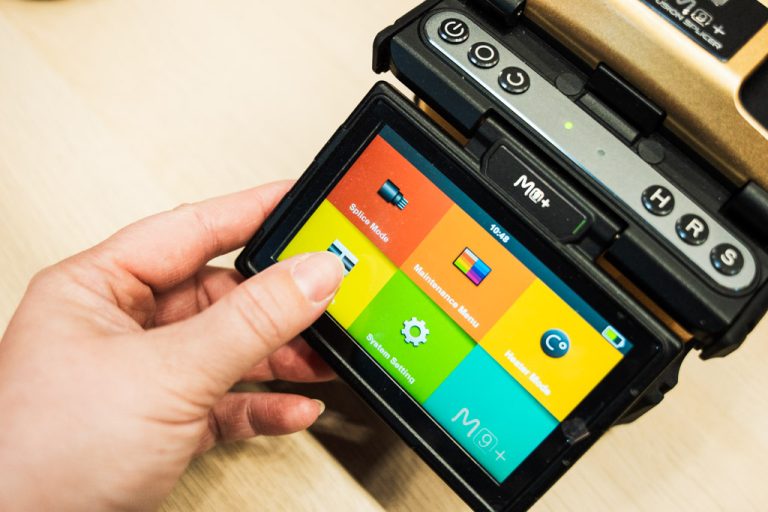
Choosing the Right Splice Mode on Your Fusion Splicer
A fusion splicer does not use one fixed setting for every fibre. Each fusion splicer splice mode, sometimes called a splice programme, sets the...
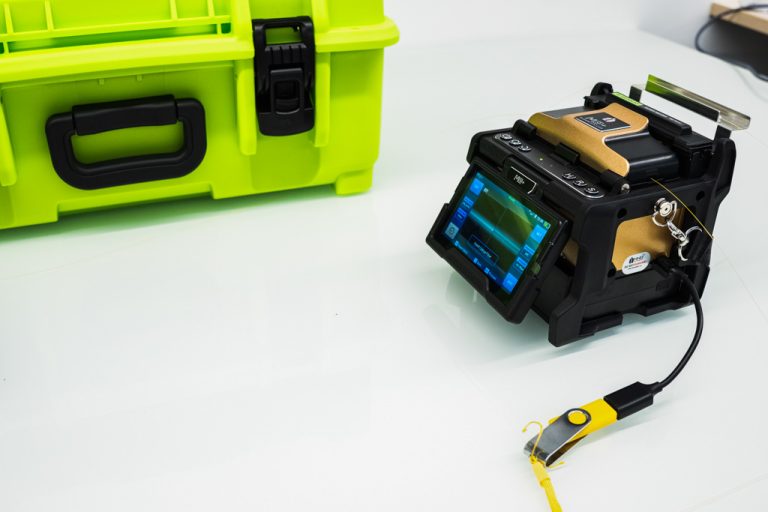
How to Update Your Fusion Splicer Software, Step by Step
Knowing how to update fusion splicer software is a small skill that keeps your splicer accurate and reliable. They can add features, improve splice...
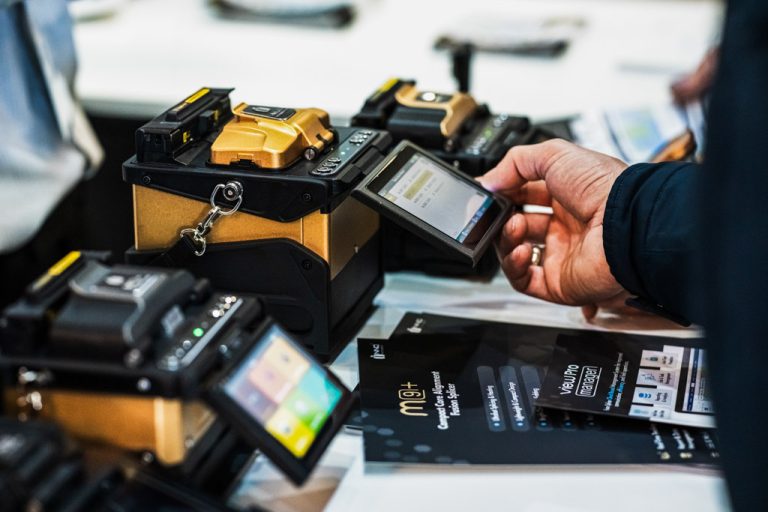
Core Alignment vs Cladding Alignment: Which Fusion Splicer Do You Need?
When you choose a fusion splicer, the first real decision is the alignment method, core alignment vs cladding alignment. Both types of splicer both...
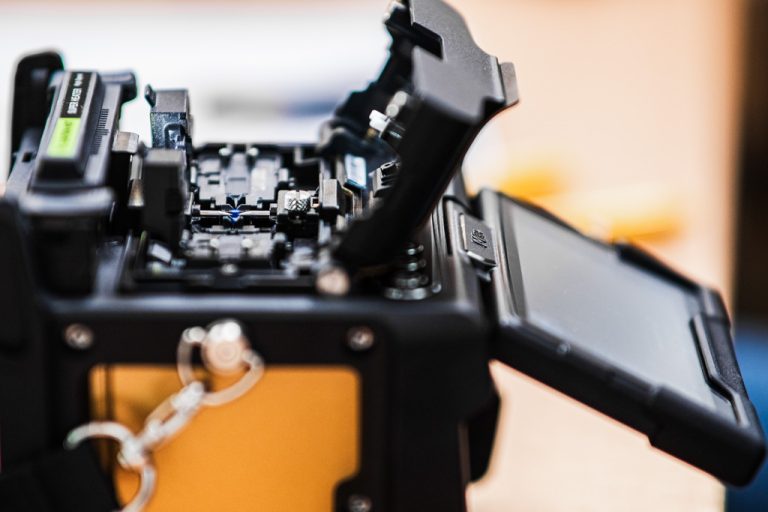
When to Replace Fusion Splicer Electrodes, and How to Do It
Fusion splicer electrodes are the part of the splicer that does the real work. Every splice relies on a precise, stable arc between their...
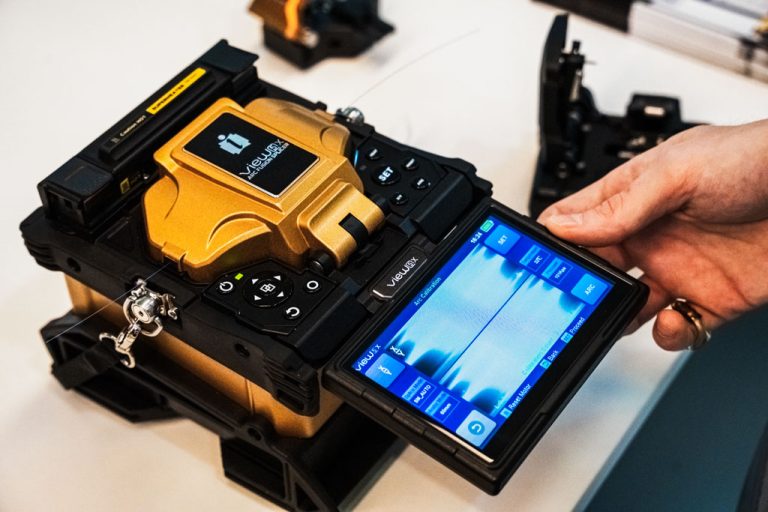
Fusion Splicing Problems: Bubbles, Separation, Thin and Fat Splices Explained
Every splicing technician sees error messages sooner or later, whatever their level of experience. Most fusion splicing problems do not mean the splicer is...